Konbini: Japan's Convenience Stores
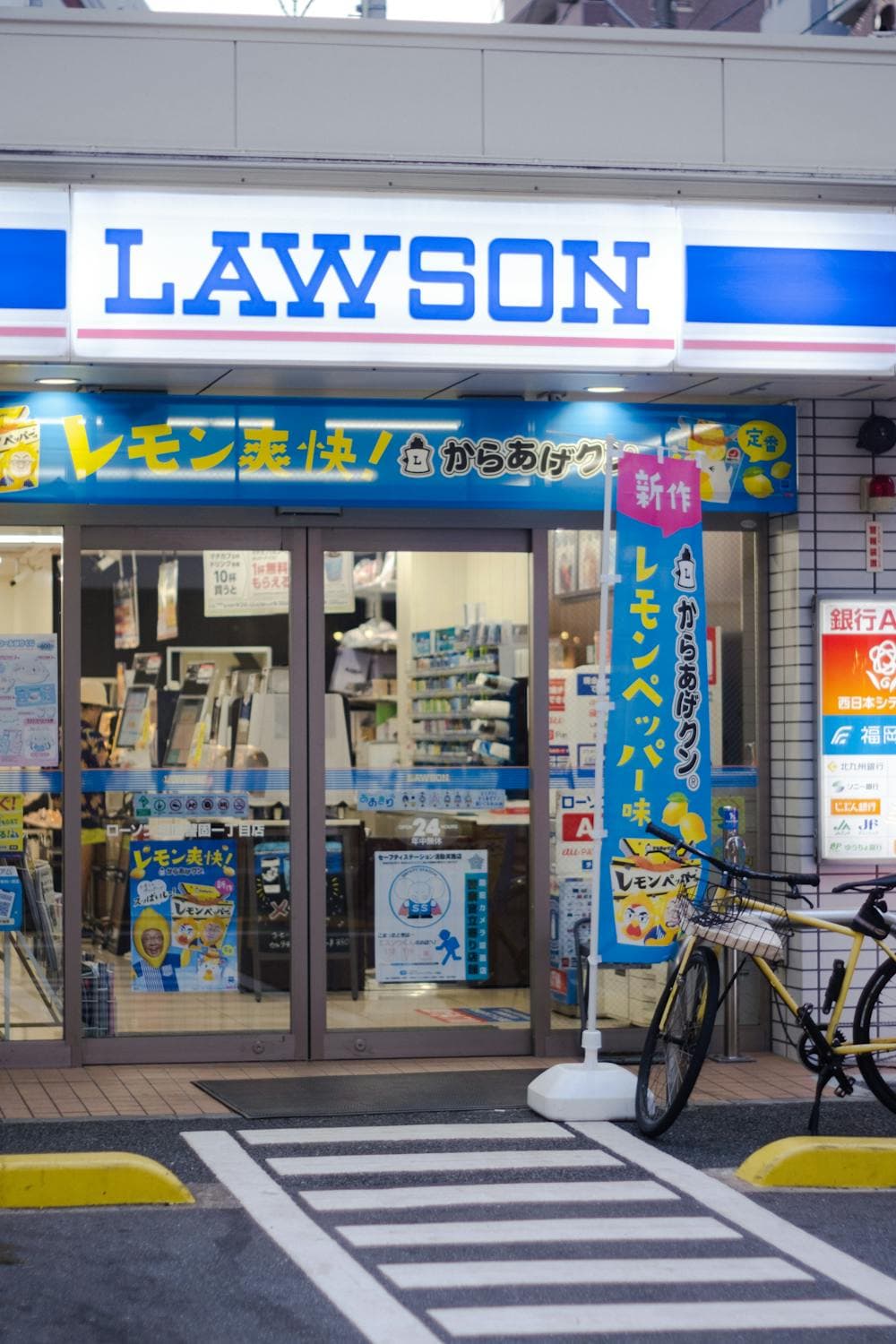 Lawson convenience store at night
Japan has approximately 56,000 convenience stores (konbini, from the English "convenience"), or roughly one per 2,200 residents. The three major chains—7-Eleven, FamilyMart, and Lawson—account for over 90% of the market. Unlike their counterparts in other countries, Japanese konbini function as essential infrastructure, offering services that extend far beyond snacks and beverages.
The Big Three
7-Eleven (セブンイレブン) - Despite the American origin of the brand, 7-Eleven Japan operates independently and has become the world's largest convenience store chain by number of locations. The Japanese subsidiary pioneered many innovations later adopted globally, including fresh food preparation and sophisticated inventory management.
FamilyMart (ファミリーマート) - Recognizable by its green-and-blue signage, FamilyMart merged with Circle K Sunkus in 2016 to become the second-largest chain. Known for its famichiki (fried chicken) and collaborations with popular media franchises.
Lawson (ローソン) - The blue-signed chain offers several sub-brands: standard Lawson, Natural Lawson (health-focused), and Lawson Store 100 (budget-oriented). Particularly strong in ready-to-eat meal options.
What They Sell
The product range in a typical konbini includes:
Food and Beverages
- Onigiri (rice balls) - freshly made, typically ¥100-200 each
- Bento (boxed meals) - can be heated in-store microwaves
- Sandwiches, salads, and pasta dishes
- Hot foods at the counter: fried chicken, nikuman (meat buns), oden (winter stew)
- Fresh coffee machines (introduced 2013, now ubiquitous)
- Alcoholic beverages, including regional craft beers
Non-Food Items
- Basic toiletries and cosmetics
- Underwear and socks
- Umbrellas (essential for sudden rain)
- Stationery and office supplies
- Phone chargers and cables
- Magazines and manga
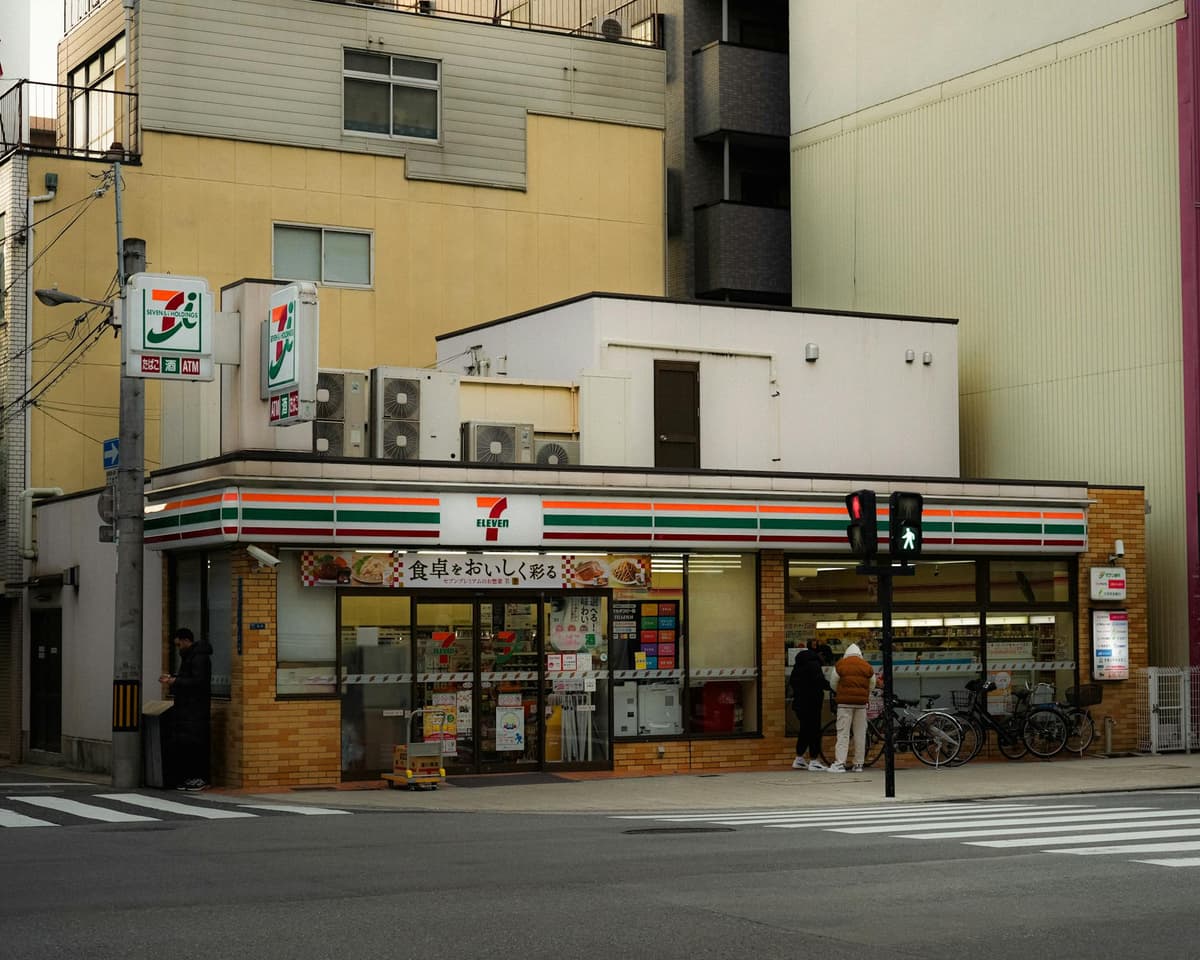 Japanese street with convenience store
Services Beyond Retail
Konbini serve functions that would require multiple separate businesses in other countries:
Financial Services
- ATMs that accept foreign cards (7-Eleven and Lawson ATMs reliably accept Visa, Mastercard, and other international cards when many bank ATMs do not)
- Bill payment for utilities, insurance, and online purchases
- Tax payment processing
Logistics
- Package pickup and drop-off for major delivery services (Yamato, Sagawa)
- Takkyubin (courier service) for sending luggage between hotels
- Ticket printing for concerts, transportation, and events
Administrative
- Photocopying, printing, and fax services
- Residence certificate printing (for residents with My Number cards)
- Government document submission
Everyday Convenience
- Free restrooms (generally clean and well-maintained)
- Free Wi-Fi at most locations
- Phone and IC card charging
Quality Standards
Japanese konbini food maintains remarkably high standards. Unlike the reputation of convenience store food elsewhere, konbini meals are genuinely good—fresh enough that items are typically removed from shelves before their expiration time, not after.
The supply chain delivers multiple times daily. A morning delivery might stock breakfast items, followed by lunch bento around 10 AM, then dinner items in late afternoon. This frequency allows for fresh products without large storage requirements.
Staff heat bento and other items using in-store microwaves upon request. Asking "atatamemasu ka?" (Will you heat this?) is a standard question at checkout.
For Visitors
Several practical points for tourists:
Payment: All major chains accept IC cards (Suica, Pasmo) and increasingly credit cards. Cash remains widely accepted.
Bags: Staff will ask if you need a bag (fukuro). Plastic bags cost ¥3-5 following 2020 regulations. Many visitors bring reusable bags.
Alcohol and Tobacco: Age verification is required. Touch screens at checkout will prompt you to confirm you're over 20 (Japan's legal age).
Hot Water: Available free at most stores for instant noodles. Staff can provide chopsticks and utensils upon request.
Seasonal Items: Konbini frequently rotate seasonal and limited-edition products. Collaborations with anime franchises, regional specialties, and holiday-themed items create a constantly changing inventory that makes repeat visits interesting.
The 24-hour, 365-day operation means konbini are often the only places open during early morning arrivals, late-night hunger, or holidays when other businesses close.