Kyoto: Japan's Cultural Repository
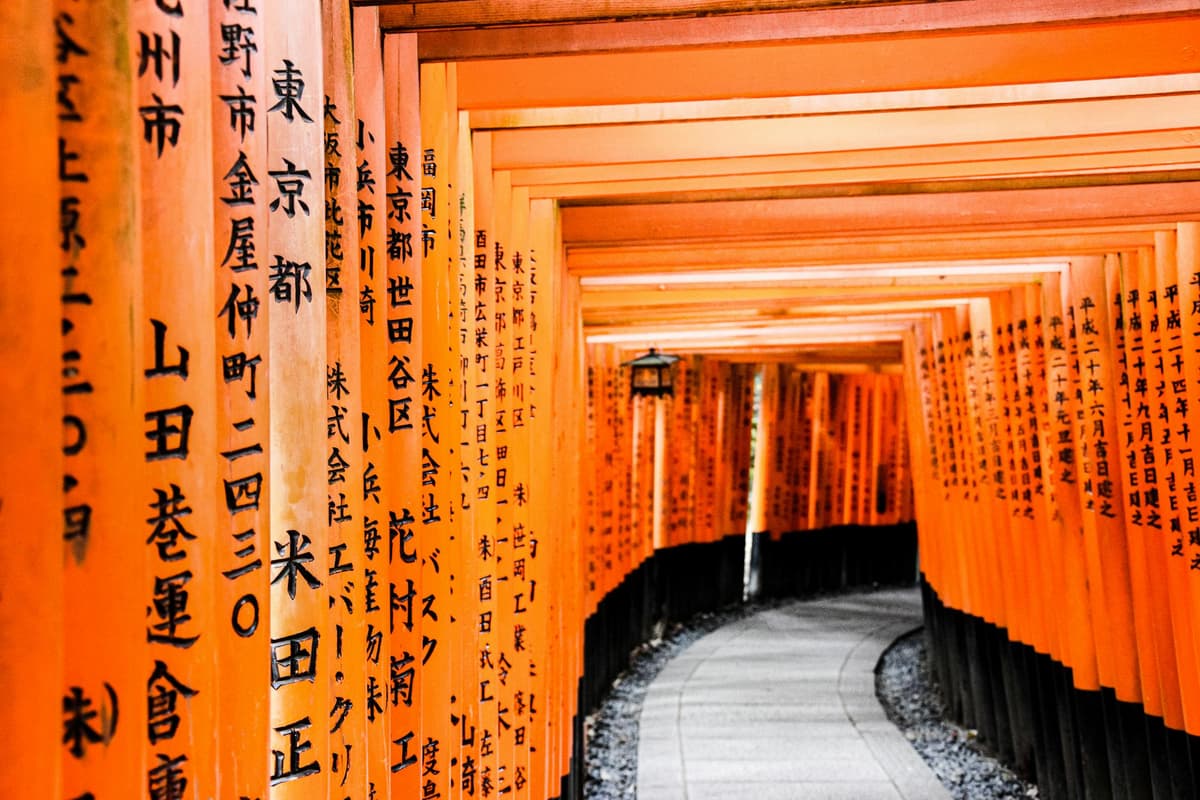 Fushimi Inari Torii Gates
Kyoto served as Japan's capital for 1,074 years, from 794 until the Meiji Restoration in 1868. During this period, while political power often resided elsewhere—Kamakura during the shogunate of that name, Edo under the Tokugawa—the emperor and the imperial court remained in Kyoto, making it the continuous center of Japanese high culture, religious practice, and traditional arts.
Why Kyoto Survived
The city emerged from World War II largely intact, unusual for a major Japanese urban center. The common explanation—that American officials spared Kyoto due to its cultural significance—is partially accurate. Secretary of War Henry Stimson, who had visited Kyoto before the war, argued against targeting it. The city was initially on the list of potential atomic bomb targets before being removed in July 1945.
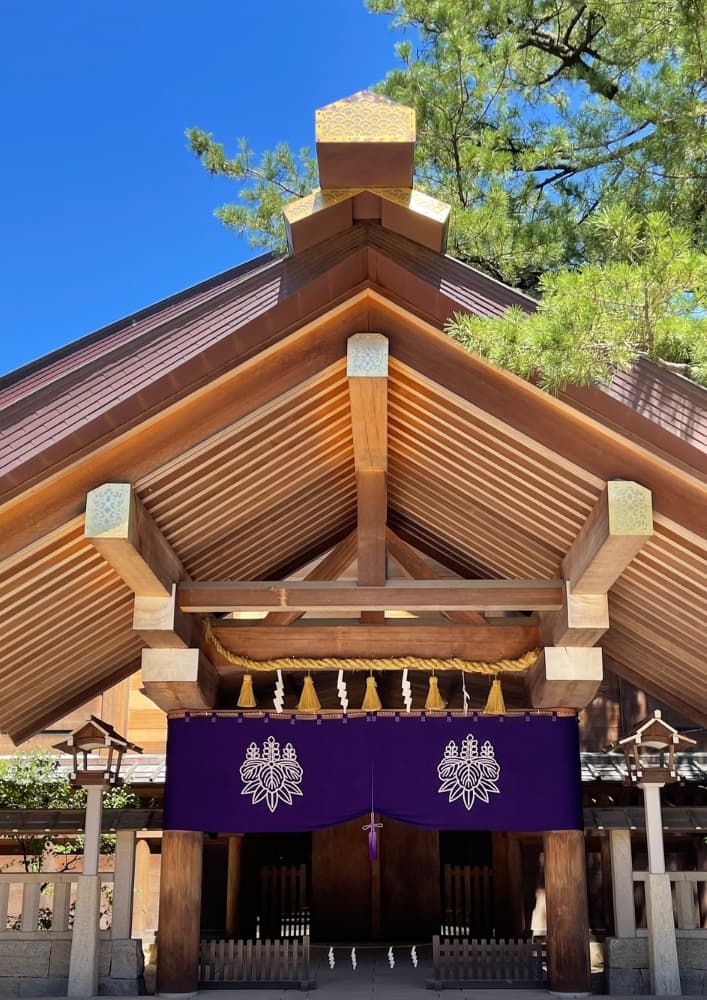
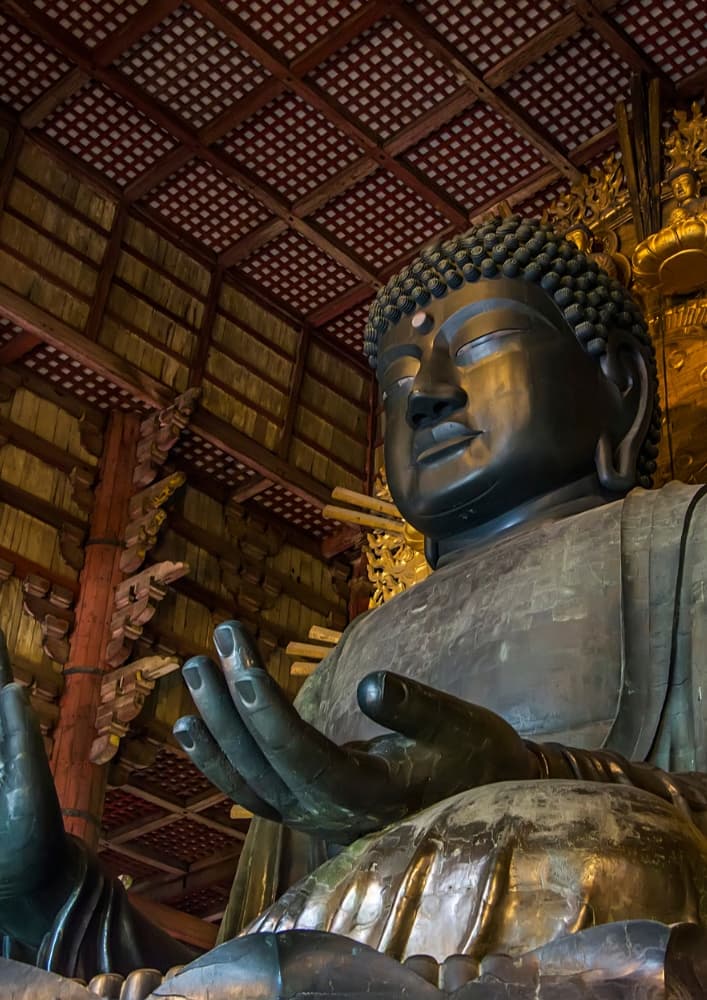
This survival means Kyoto today contains approximately 2,000 Buddhist temples, 1,600 Shinto shrines, and 17 UNESCO World Heritage Sites. Many structures date to the 14th-16th centuries, and some (like portions of the Ninnaji temple complex) to the 9th century.
The Temple Landscape
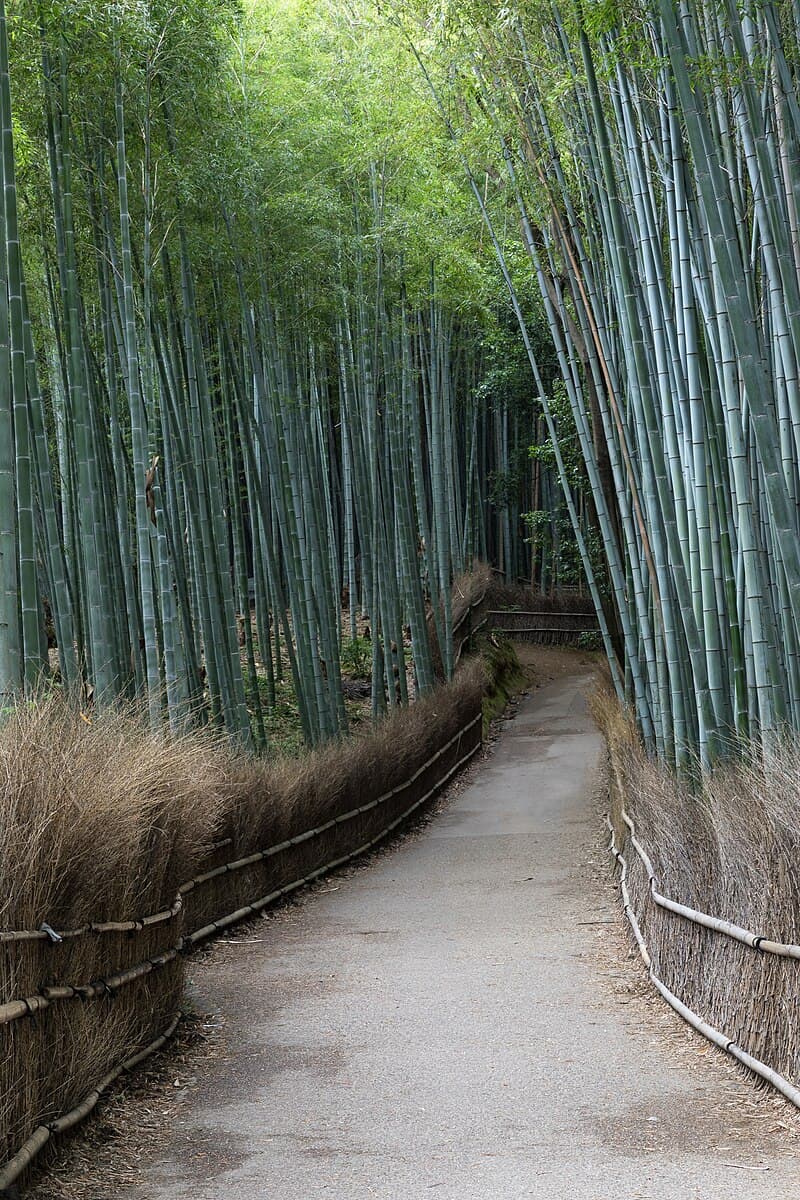 Arashiyama Bamboo Grove
Kyoto's temples and shrines represent virtually every major school of Japanese Buddhism and Shinto practice. Kinkaku-ji (the Golden Pavilion) and Ginkaku-ji (the Silver Pavilion) attract the most visitors, but the city's religious architecture extends far beyond these famous sites.
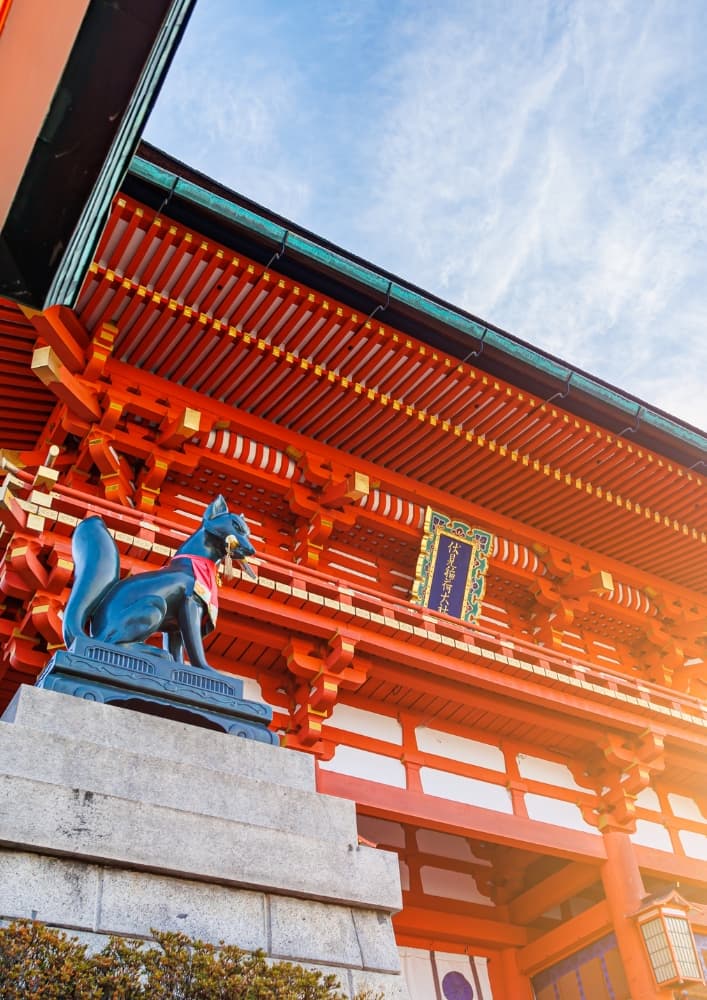
Fushimi Inari Taisha, with its thousands of vermillion torii gates winding up Mount Inari, is dedicated to the Shinto deity of rice and commerce. The shrine's path extends approximately 4 kilometers to the summit. The gates themselves—over 10,000 of them—are donations from individuals and businesses seeking prosperity, each inscribed with the donor's name and date.
The Arashiyama district on the city's western edge offers a different aesthetic. The bamboo grove there creates a distinctive visual and acoustic environment—the sound of bamboo stalks moving in wind was designated one of Japan's "100 Soundscapes" by the Ministry of Environment.
Gion and the Geiko Tradition
Kyoto maintains the country's most visible geisha districts, where practitioners are called geiko (in the local dialect) rather than geisha. The number of working geiko and apprentice maiko has declined from thousands in the early 20th century to approximately 200-300 today, concentrated in five hanamachi (flower towns): Gion Kobu, Gion Higashi, Miyagawa-cho, Pontocho, and Kamishichiken.
The profession requires years of training in traditional dance, music, conversation, and the tea ceremony. Maiko are recognizable by their elaborate hairstyles (using their own hair, styled weekly) and long-sleeved kimono. The transition to full geiko status typically occurs around age 21.
Practical Geography
Modern Kyoto is a city of 1.5 million people, substantially smaller than Tokyo or Osaka. The historic core follows a grid pattern established in the 8th century, modeled on the Tang Chinese capital of Chang'an. North-south streets are numbered in order, while east-west streets carry names—a system that makes navigation relatively straightforward once understood.
Most major temples cluster in the eastern hills (Higashiyama) and western outskirts (Arashiyama), while the central grid contains the shopping districts, Nijo Castle, and the Imperial Palace. The city's train stations—particularly JR Kyoto Station with its striking modern architecture—provide access to surrounding areas including Nara (45 minutes by train), Osaka (15 minutes by shinkansen), and Uji (20 minutes), known for matcha tea production.