Hokkaido: Japan's Northern Frontier
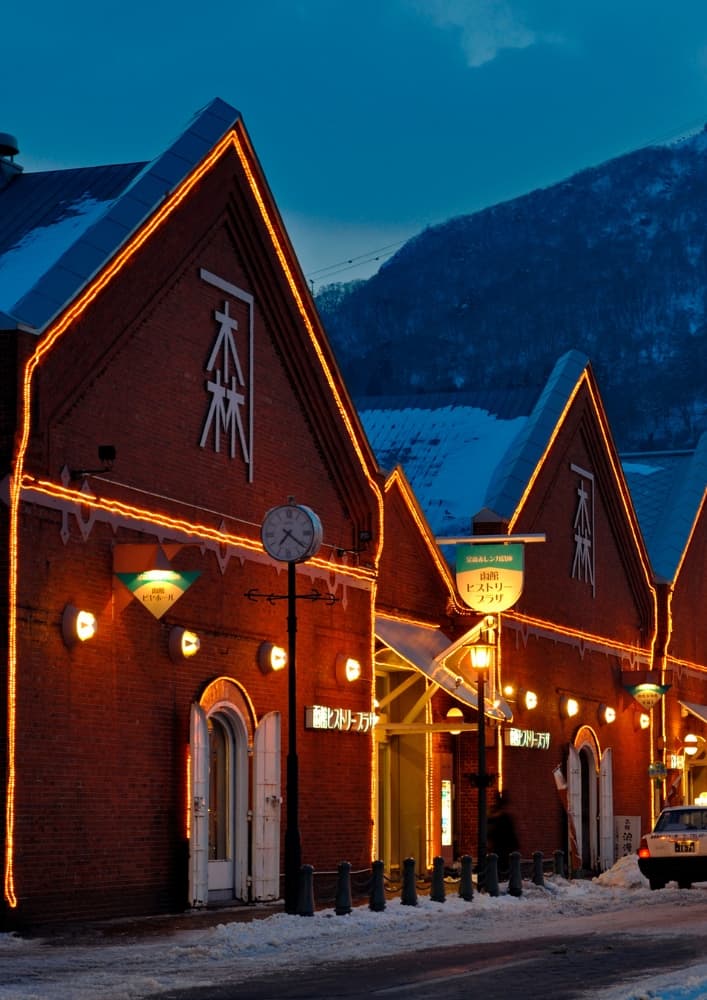
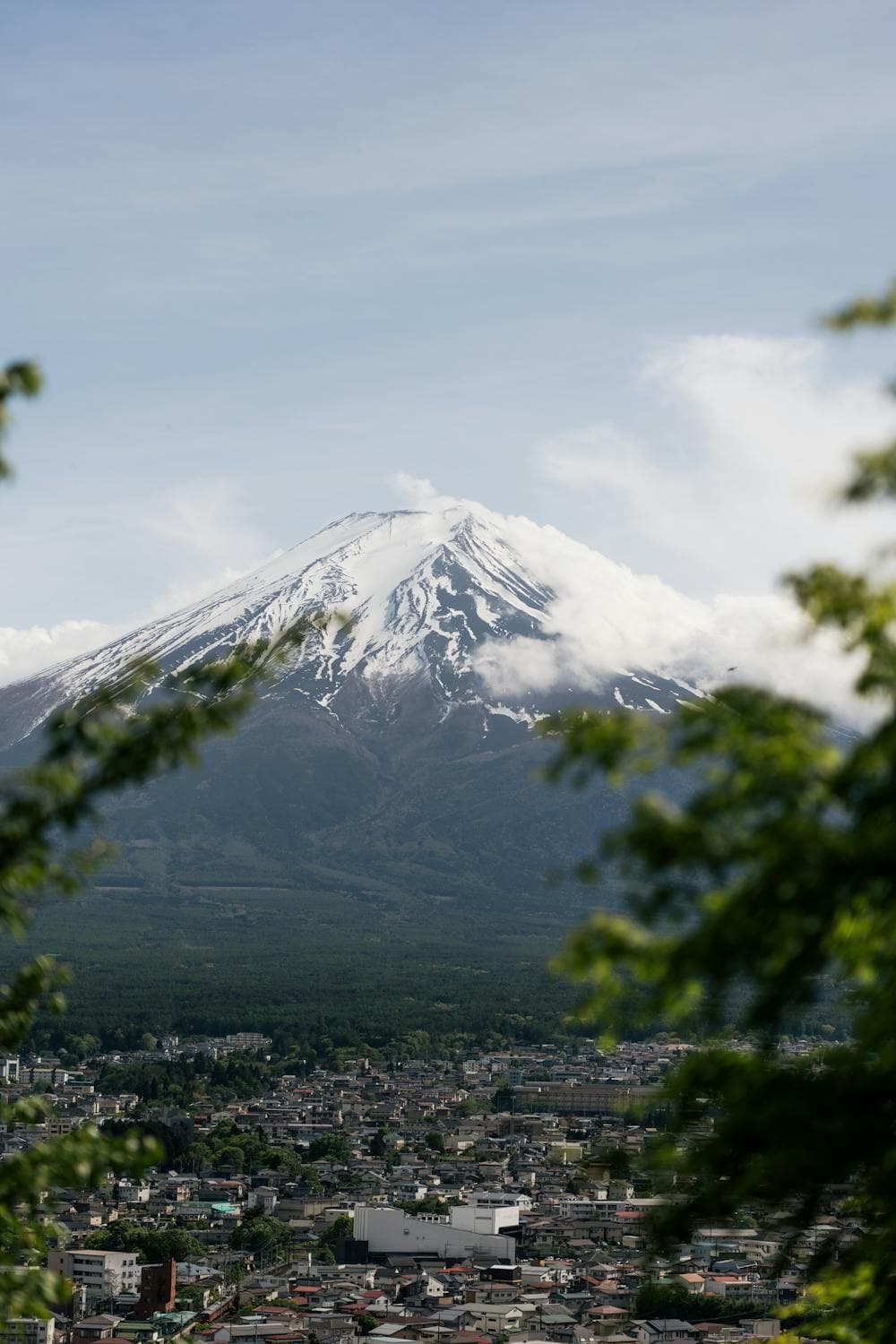 Hokkaido Winter Landscape
Hokkaido, Japan's northernmost main island, covers approximately 83,000 square kilometers—about 22% of Japan's total land area—yet holds only 4% of its population (around 5.2 million). This disparity makes Hokkaido distinctly different from the densely packed urban centers of Honshu.
A Different History
Unlike the rest of Japan, Hokkaido was not under effective Japanese control until the Meiji era. The island was home to the Ainu, an indigenous people whose ancestors have lived there for over 14,000 years. Archaeological evidence suggests the region experienced an unusually peaceful history—excavated remains from the Jomon period show no signs of violent conflict, a rarity for prehistoric populations worldwide.
The Ainu maintained a hunting-gathering lifestyle based on salmon, deer, bear, and wild plants, never adopting the rice agriculture that shaped mainland Japanese society. Their language, religion, and material culture developed independently from Japanese traditions.
Formal Japanese colonization began in 1869, when the Meiji government established the Hokkaido Development Commission (Kaitakushi). The government recruited settlers from across Japan and brought in American agricultural advisors to develop farming techniques suited to the colder climate. This late development explains why Hokkaido's cities—particularly Sapporo—follow a Western-style grid pattern rather than the organic layouts of older Japanese cities.
Climate and Seasons
Hokkaido receives approximately 300 million tons of snow annually. Winter temperatures regularly drop below -10°C, and some inland areas see snow depths exceeding 2 meters. The Sapporo Snow Festival, held each February since 1950, attracts over 2 million visitors who come to see massive ice sculptures in Odori Park.
Summer brings a different character entirely. The island's latitude (similar to Milan or Portland, Oregon) produces mild summers with average temperatures around 20-25°C—comfortable conditions that made Hokkaido the logical choice for the 1972 Winter Olympics and the marathon events of the 2020 Tokyo Olympics.
Agricultural Distinctiveness
Hokkaido produces approximately half of Japan's domestic wheat, most of its dairy products, and significant quantities of potatoes, onions, and corn—crops that struggle in Japan's humid subtropical climate further south. The island's cuisine reflects this agricultural base: butter and cheese feature prominently, and Sapporo-style miso ramen incorporates butter as a standard topping.
The Furano and Biei regions have become known for lavender fields that bloom in July, attracting visitors for a landscape more reminiscent of Provence than traditional Japan.
Ainu Heritage Today
Recognition of Ainu culture has grown significantly in recent decades. The Ainu were officially recognized as an indigenous people in 2008, and in 2020 the National Ainu Museum and Park (Upopoy) opened in Shiraoi, presenting Ainu history, language, and traditional practices. An estimated 20,000-25,000 people of Ainu descent live in Japan today, primarily in Hokkaido, though exact figures are difficult to determine as many have assimilated into the general population.