Tokyo: A City Unlike Any Other
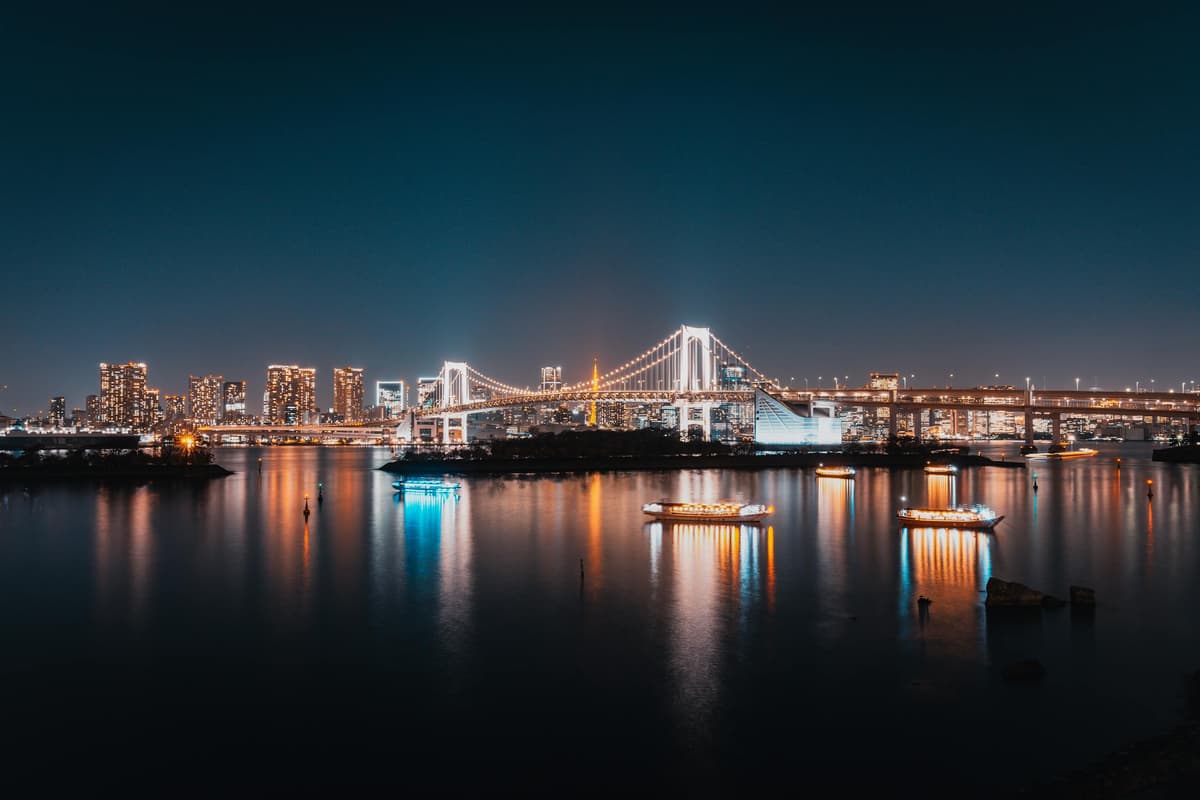 Tokyo Skyline
The Greater Tokyo Area is home to approximately 37 million people, making it the world's most populous metropolitan region. This represents nearly 30% of Japan's entire population concentrated in a single urban zone. Despite this density, Tokyo maintains a remarkably efficient infrastructure - trains run with precision measured in seconds, and public spaces remain notably clean.
From Edo to Tokyo
Before 1603, the area now known as Tokyo was a small fishing village called Edo. That changed when Tokugawa Ieyasu established his shogunate there, making it the de facto political center of Japan while Kyoto remained the emperor's formal residence.
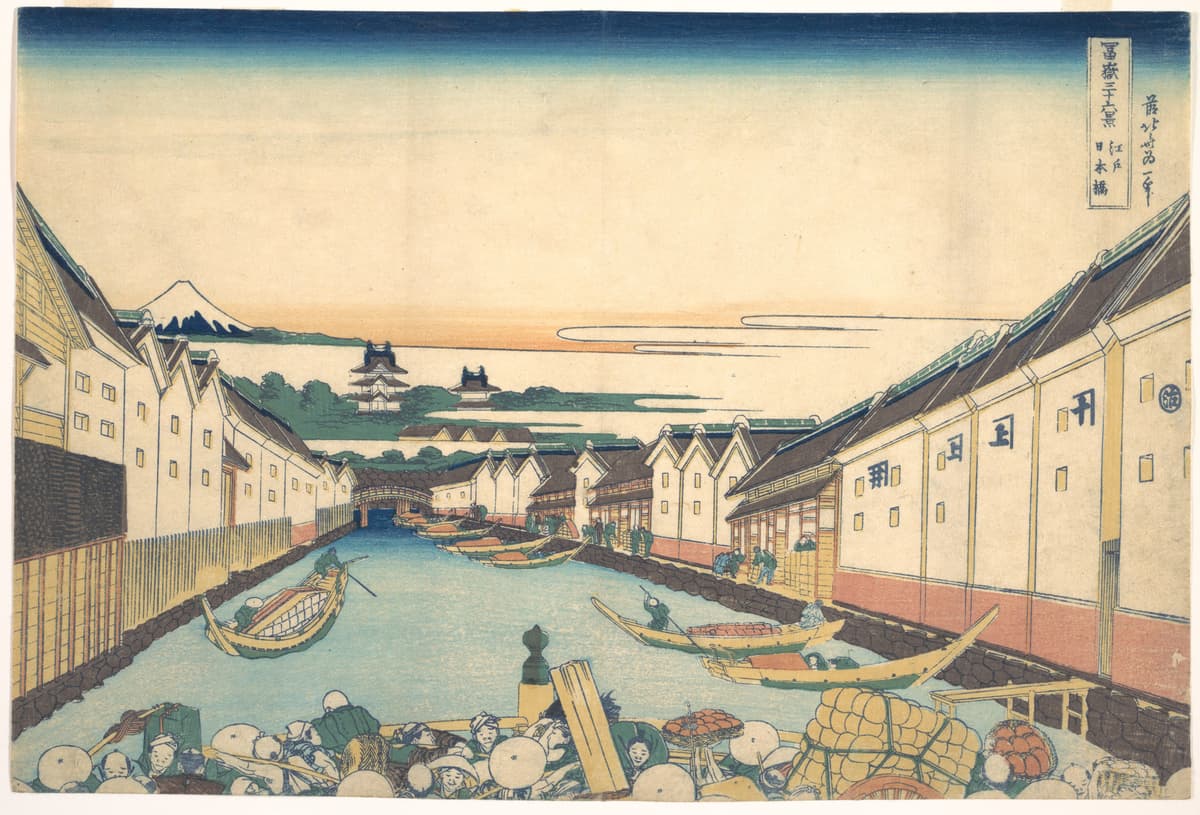 Hokusai's "Nihonbashi in Edo" - a glimpse of old Tokyo
Over the following 250 years of the Edo period, the city grew into one of the world's largest urban centers. Nihonbashi Bridge, depicted in Hokusai's famous woodblock print, served as the official starting point for the five major highways connecting Edo to other regions - all distances in Japan were measured from this bridge. The distinctive culture of this era - from kabuki theater to ukiyo-e art to Edomae-style sushi (which used fresh fish from Tokyo Bay with vinegared rice) - continues to define Tokyo's identity today.
In 1868, following the Meiji Restoration, Emperor Meiji relocated from Kyoto and the city was renamed Tokyo ("Eastern Capital"). The city has served as Japan's capital ever since, surviving both the Great Kanto Earthquake of 1923 and extensive bombing during World War II.
The Subway Network
Tokyo's rail system is operated by multiple companies: Tokyo Metro (9 lines), Toei Subway (4 lines), JR East, and numerous private railways. These networks overlap and interconnect at major stations, creating a system that can initially overwhelm visitors.
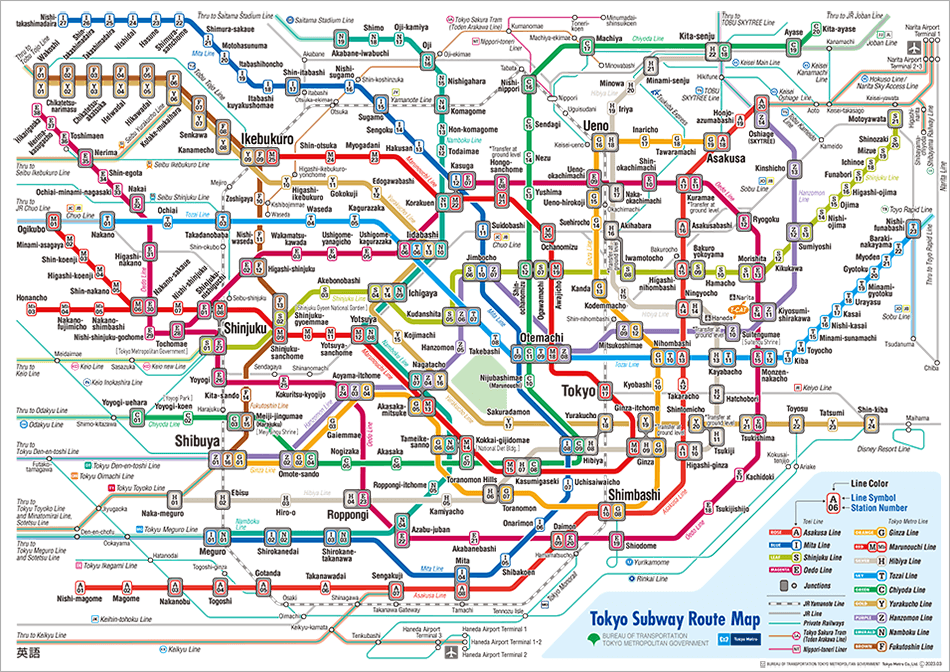 The Tokyo Metro map - a colorful maze
Shinjuku Station handles over 3.5 million passengers daily, making it the world's busiest railway station. The complexity stems not from poor design but from Tokyo's unique development - each railway company built lines to serve different areas, and the current network reflects over a century of organic growth rather than centralized planning.
For navigation, each line has a designated color and letter code (e.g., "M" for Marunouchi Line), and stations are numbered sequentially. This system, introduced for the 2004 railway modernization, has made the network significantly more accessible to non-Japanese speakers.
Contrasting Districts
Tokyo's neighborhoods vary dramatically in character. Two districts illustrate this range particularly well.
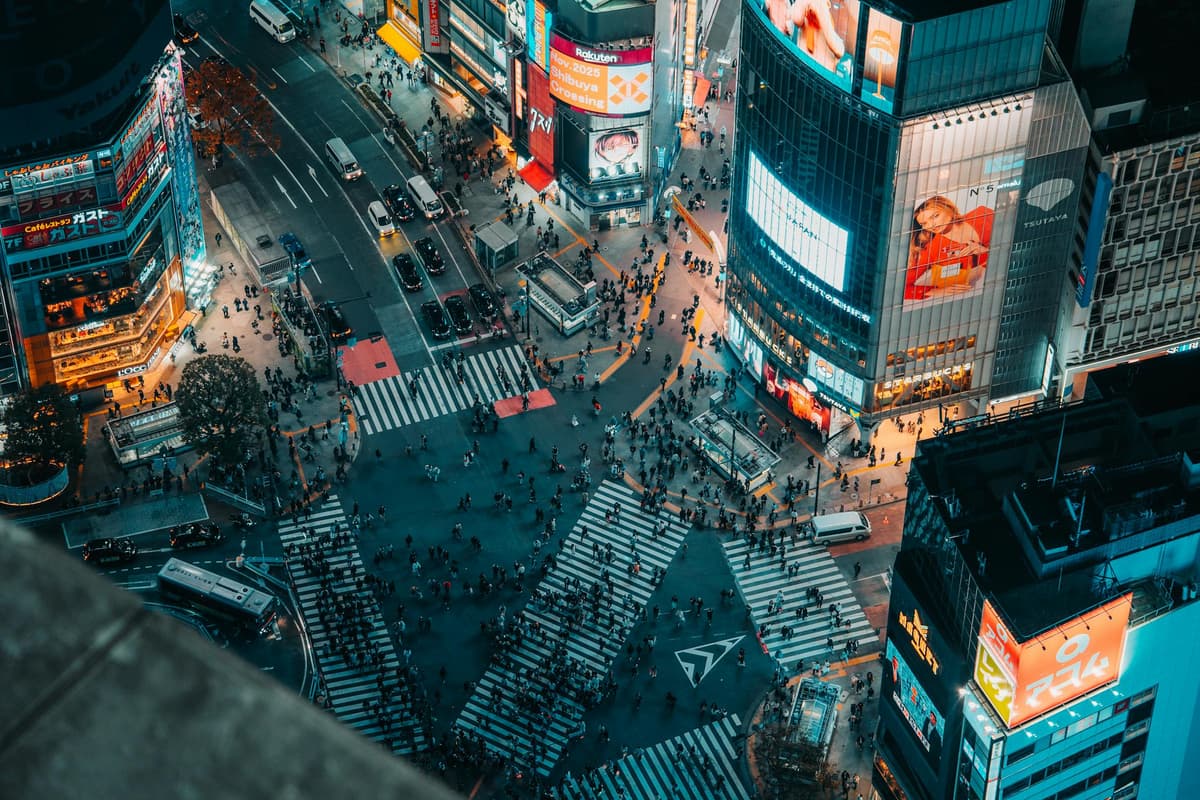 Shibuya Crossing at night
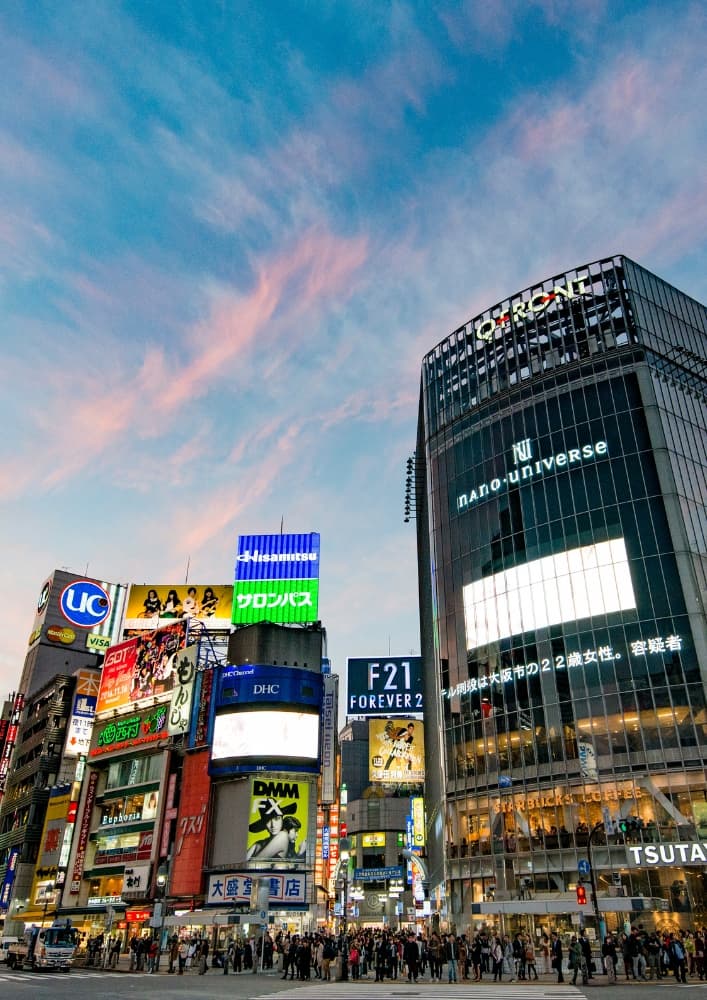
Shibuya represents contemporary Tokyo. The scramble crossing in front of Shibuya Station sees approximately 2,500 pedestrians per signal cycle, with daily foot traffic reaching 2.4 million. The surrounding area - including nearby Harajuku and Omotesando - serves as a center for youth fashion, entertainment, and retail. The Hachiko statue at the station, commemorating a dog who waited for his deceased owner for nearly 10 years, has become one of Tokyo's most recognized meeting spots.
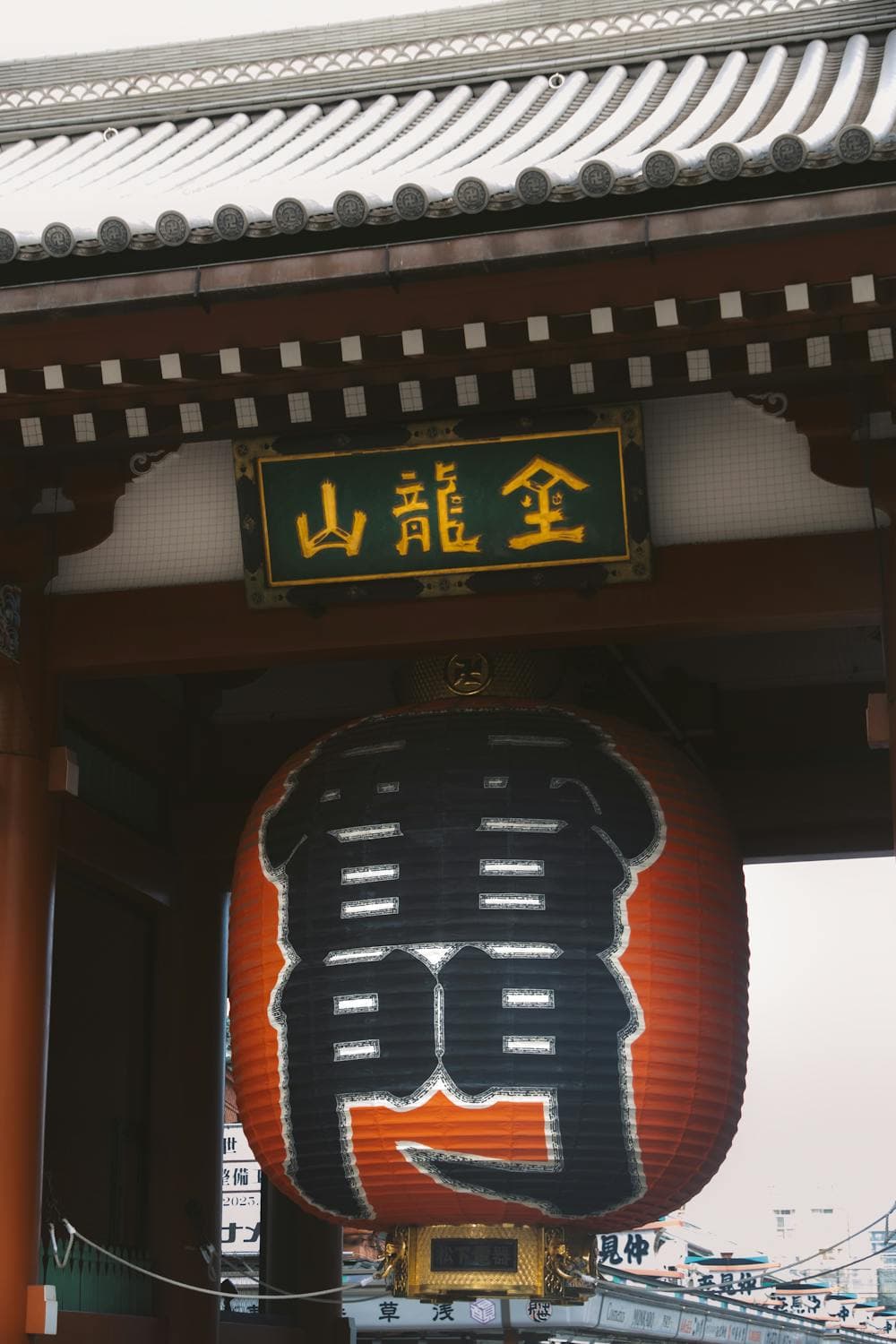 The iconic red lantern of Senso-ji Temple
Asakusa preserves a very different atmosphere. Senso-ji, founded in 628 AD according to temple records, is Tokyo's oldest Buddhist temple. The approach through Nakamise-dori has functioned as a commercial street since the Edo period, though most current shops date from post-war reconstruction. The district retains elements of shitamachi (downtown) culture - the traditional working-class neighborhoods of old Edo - that have largely disappeared elsewhere in the city.
These two areas are connected by the Ginza Line (about 15 minutes), demonstrating how Tokyo compresses centuries of urban development into a single metropolitan area.