Nagoya: Japan's Industrial Heartland
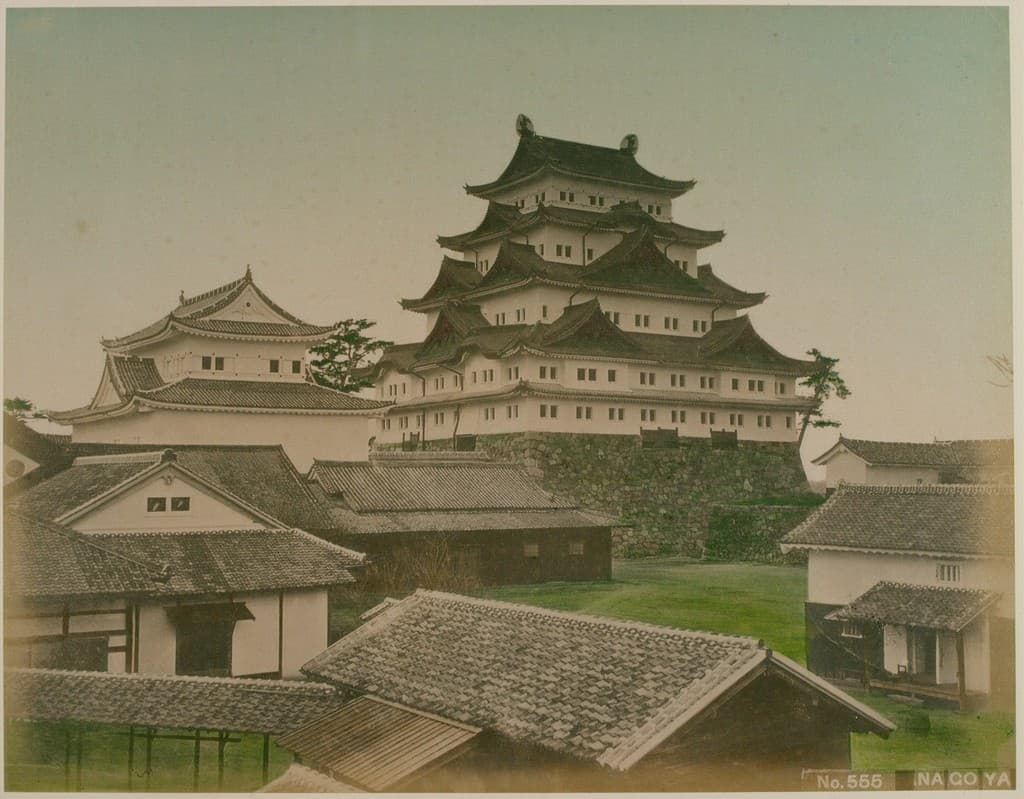 Nagoya Castle
Nagoya, with 2.3 million residents, ranks as Japan's fourth-largest city. Located roughly midway between Tokyo (366 km) and Osaka (195 km), the city serves as the economic center of the Chūbu region and the capital of Aichi Prefecture. Its metropolitan area of 7.2 million represents one of Japan's major urban concentrations, though it receives far less tourist attention than its larger neighbors.
Three Unifiers
Nagoya's historical significance stems from an unusual geographic coincidence: all three of Japan's "great unifiers"—the warlords who ended the civil war era and consolidated national power—originated from this region.
- Oda Nobunaga (1534-1582) was born in Nagoya Castle's predecessor fortress. He initiated the unification process before his assassination.
- Toyotomi Hideyoshi (1537-1598) was born in what is now Nagoya's Nakamura Ward to a peasant family. He completed the military unification Nobunaga began.
- Tokugawa Ieyasu (1543-1616) was born in nearby Okazaki and established the shogunate that would rule Japan for 265 years.
This concentration of power shaped the region's development. When Ieyasu ordered the construction of Nagoya Castle in 1612, he mobilized 20 daimyō (feudal lords) and their labor forces for the project. The castle's golden shachi (dolphin-like ornaments) atop the main tower became the city's symbol.
Wartime Destruction and Reconstruction
Nagoya was heavily bombed during World War II, with air raids in 1945 destroying much of the city including Nagoya Castle. The current castle tower, rebuilt in reinforced concrete in 1959, functions as a museum. Plans to reconstruct the main tower in wood using traditional techniques have been debated since the 2010s; the existing concrete structure was closed to the public in 2018 pending decisions about reconstruction.
The postwar reconstruction created a city with wide streets and a practical grid layout, prioritizing industrial efficiency over historical preservation. This functionality contributes to Nagoya's reputation as a less aesthetically distinctive city compared to Kyoto or Kanazawa.
Manufacturing Economy
Nagoya's contemporary identity centers on manufacturing. Toyota Motor Corporation, headquartered in nearby Toyota City (renamed from Koromo in 1959), anchors an automotive cluster that produces roughly half of Japan's automobile output. The company operates multiple facilities throughout the region, and its suppliers and affiliates create an industrial ecosystem that dominates the local economy.
Beyond automobiles, the region hosts aerospace manufacturing (Mitsubishi Heavy Industries produces aircraft components here), ceramics (the Noritake company originated in Nagoya), and pachinko machine production. The Port of Nagoya handles more cargo value than any other Japanese port, primarily automobiles for export.
The Toyota Commemorative Museum of Industry and Technology, located in the company's original factory building, documents the evolution from textile machinery (the Toyoda family's original business) to automobile manufacturing. Factory tours of actual Toyota production lines require advance reservation.
Cultural Distinctiveness
Nagoya developed its own regional cuisine, characterized by strong flavors:
- Miso-katsu: Tonkatsu served with a thick red miso sauce rather than the standard brown sauce
- Hitsumabushi: Grilled eel served over rice, eaten in three ways: plain, with condiments, and as tea-poured ochazuke
- Tebasaki: Crispy fried chicken wings, heavily seasoned
- Kishimen: Flat udon noodles, a local specialty
The Nagoya dialect (Nagoya-ben) is distinctive enough that comedians from the region sometimes play on its characteristics for humor, though it lacks the cultural cachet of Kyoto or Osaka speech.
Practical Information
Nagoya Station is a major shinkansen hub: Tokyo is 1 hour 40 minutes away, Osaka 50 minutes, and Kyoto 35 minutes. Chubu Centrair International Airport, opened in 2005 on an artificial island in Ise Bay, handles both domestic and international flights.
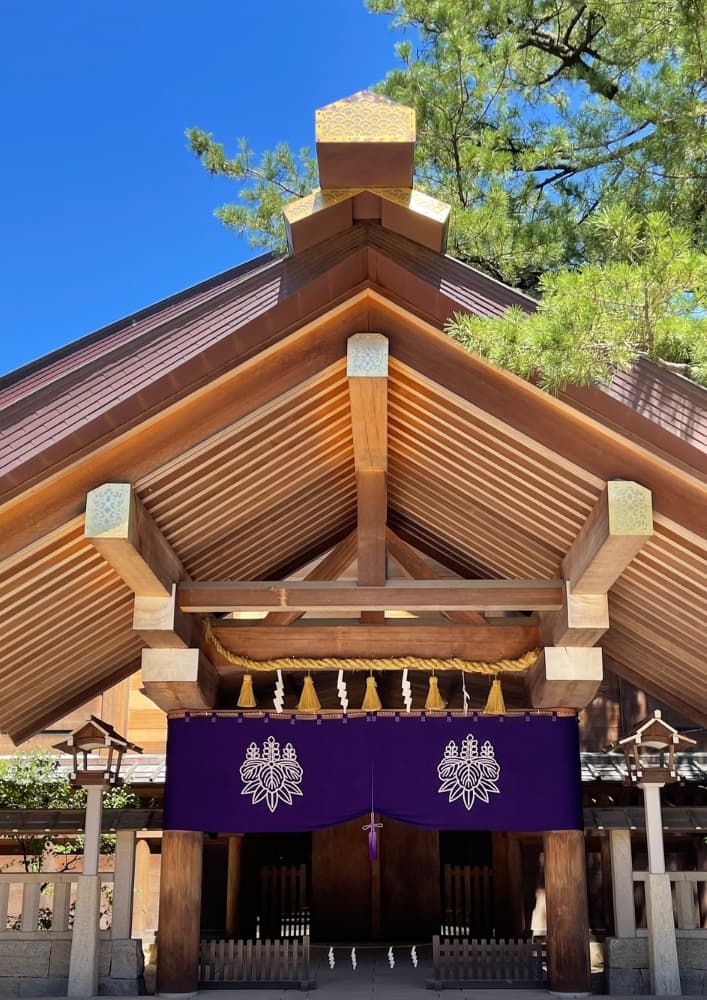
The city's main tourist district centers on Sakae, with department stores and entertainment venues, while Nagoya Castle and the Atsuta Shrine (housing one of Japan's three imperial regalia) represent the primary historical attractions. The Osu shopping district offers a more traditional shopping experience, with temples, electronics shops, and secondhand goods markets.